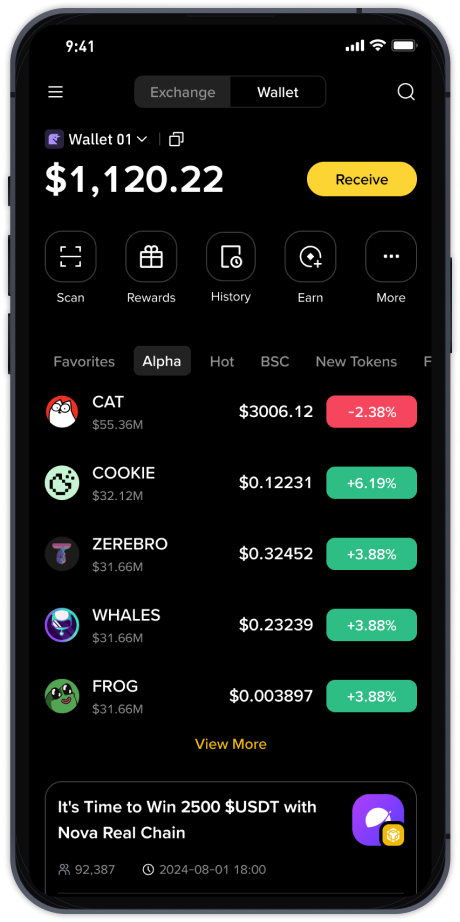
Is Binance Crypto Exchange Safe and Reliable? An In-Depth Analysis for 2025
Binance has long been one of the most recognized names in the cryptocurrency industry. For many traders, the question “Is Binance exchange good?” often arises when they first enter the market. To provide a clear answer, it is essential to examine the platform’s core features, security protocols, fee structure, and recent regulatory developments.
First, Binance offers an exceptionally wide range of trading pairs and products. From spot trading and futures to staking, lending, and even NFT marketplaces, the platform aims to be a one-stop service for digital asset management. This diversity makes it highly attractive for active traders who want to access multiple markets without switching between exchanges. However, for absolute beginners, the sheer number of options can feel overwhelming, though the platform does now offer a simplified “Lite” interface.
Security is a critical factor when evaluating any exchange. Binance has invested heavily in security infrastructure, including the Secure Asset Fund for Users (SAFU), which is an emergency insurance fund designed to protect user assets in extreme scenarios. The platform also supports two-factor authentication (2FA) and whitelisting of withdrawal addresses. That said, the exchange has faced hacking attempts in its early years, and some users remain cautious after past incidents. Overall, Binance’s current security measures are considered industry-standard, though no platform is completely immune to risk.
Another major consideration is fees. Binance is widely praised for having some of the lowest trading fees in the industry, especially for high-volume traders and those who hold its native token, BNB. The base fee starts at 0.1% for spot trades, which can be reduced further. This cost-efficiency is a primary reason why many professional traders choose Binance over competitors.
Regulation is perhaps the most controversial aspect of the exchange. In recent years, Binance has faced increased scrutiny from global regulators, resulting in restrictions in certain countries, including the United States (where a separate entity, Binance.US, operates). The exchange has responded by working to improve compliance and obtain licenses in various jurisdictions. While this has stabilized operations in many regions, users should always verify that Binance is fully available and compliant in their own country before signing up.
Customer support has historically been a weak point, with users reporting slow response times. However, Binance has expanded its support team and now provides a comprehensive help center and chatbot for common issues. For complex or urgent problems, some users still find the resolution process frustrating.
In conclusion, Binance remains a powerful and feature-rich exchange that suits both experienced traders and those willing to learn. Its low fees, vast product range, and active liquidity pool make it a top choice for many. However, potential users should remain mindful of regulatory status in their region and maintain strong personal security practices. If you prioritize low costs and wide accessibility over regulated simplicity, Binance is likely a strong option for your cryptocurrency trading needs.