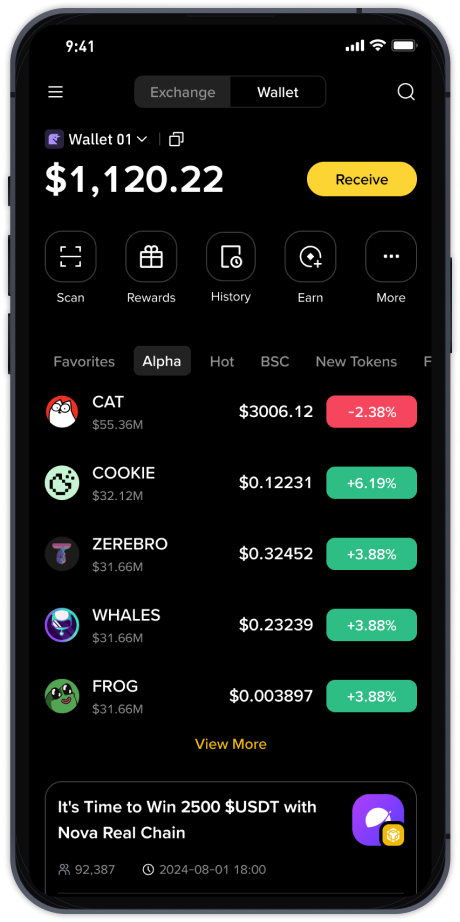
Binance Hacked: How Did the Crypto Exchange Respond and What Should Users Know?

When news broke that Binance, one of the world’s largest cryptocurrency exchanges, had been hacked, the immediate reaction across the crypto community was one of shock and concern. The incident, which involved a significant breach of the exchange's security systems, raised serious questions about the safety of digital assets held on centralized platforms. Understanding what happened, how Binance handled the situation, and what it means for everyday traders is crucial for anyone involved in the crypto space.
The hack, which occurred on Binance’s hot wallet system, resulted in the loss of approximately 7,000 Bitcoin. At the time of the attack, this amount was valued at over $40 million. The attackers used a variety of sophisticated techniques, including phishing, viruses, and other forms of social engineering, to gain access to the exchange's internal systems. They were able to withdraw a large sum of Bitcoin in a single transaction, which immediately triggered alarms within Binance’s security protocols.
Binance’s response was swift and multifaceted. First and foremost, the exchange immediately froze all deposits and withdrawals to prevent further losses. This move, while temporarily inconvenient for users, was a necessary step to contain the breach. Binance also announced that it would cover all losses from the hack using its Secure Asset Fund for Users (SAFU), a reserve fund specifically designed for such emergencies. This decision was widely praised as it meant that no individual user funds were lost as a direct result of the attack.
In the aftermath of the hack, Binance implemented a series of enhanced security measures. These included a complete overhaul of their API, two-factor authentication (2FA) systems, and withdrawal whitelist features. The exchange also increased its insurance fund and promised to conduct more rigorous security audits. Furthermore, Binance worked closely with law enforcement and other blockchain analytics firms to track the stolen funds, eventually freezing a portion of them and recovering some assets.
For users, the Binance hack served as a stark reminder of the risks inherent in centralized exchanges. While Binance’s handling of the situation was commendable in terms of transparency and user compensation, the event highlighted the importance of personal security practices. Users were advised to enable strong 2FA, use withdrawal whitelists, and consider holding long-term assets in private wallets rather than on exchanges. The hack did not lead to a permanent loss of trust in Binance, but it did prompt many to reevaluate how they manage their crypto holdings.
From a broader perspective, the Binance hack underscored the need for the entire crypto industry to adopt more robust security standards. It demonstrated that even the largest and most well-funded exchanges are vulnerable to sophisticated attacks. The incident also sparked discussions about the role of insurance, emergency funds, and regulatory oversight in protecting consumer assets. In the years since, many exchanges have increased their security budgets and improved their incident response plans.
In conclusion, the Binance hack was a major event that tested the resilience of one of the most powerful players in the crypto world. The exchange’s ability to cover the losses and quickly implement security improvements helped maintain user confidence. However, the event remains a cautionary tale for all crypto participants. The key takeaway is that while platforms work hard to protect assets, individual responsibility and awareness are equally important. By learning from incidents like this, the crypto community can move toward a safer and more secure digital financial future.