Binance Exchange: A Comprehensive Review of Features, Security, and User Experience in 2025
Binance has established itself as one of the most prominent names in the cryptocurrency industry. When asking "how is Binance exchange," the answer is multifaceted, covering everything from its extensive asset listing to its advanced trading tools. Founded in 2017, the platform rapidly grew to become the world's largest exchange by trading volume. For many users, the primary appeal lies in its sheer variety: Binance supports hundreds of cryptocurrencies, from major assets like Bitcoin and Ethereum to emerging altcoins and meme coins. This makes it a one-stop shop for traders looking to diversify their portfolios without hopping between multiple platforms.
One of the standout features of Binance is its tiered fee structure. Users who hold the native BNB token or trade in high volumes benefit from significantly reduced trading fees, making it cost-effective for both retail and institutional traders. The platform also offers multiple trading interfaces. Beginners can use the simplified "Lite" mode for spot trading, while advanced users can switch to "Pro" mode, which provides detailed charting tools, multiple order types (limit, stop-limit, OCO), and margin trading options. Additionally, Binance Futures allows for leveraged trading on a wide range of contracts, which appeals to experienced speculators.
Security is a top concern for any exchange user. Binance has implemented robust measures including a Secure Asset Fund for Users (SAFU), which acts as an emergency insurance fund for user assets. The exchange also offers two-factor authentication (2FA), withdrawal whitelist addresses, and anti-phishing codes. However, it is worth noting that Binance has faced security incidents in the past, most notably a large-scale hack in 2019. Despite these events, the platform reimbursed affected users through SAFU, demonstrating a strong commitment to user protection. In 2025, the exchange continues to invest heavily in cold wallet storage and AI-driven risk controls.
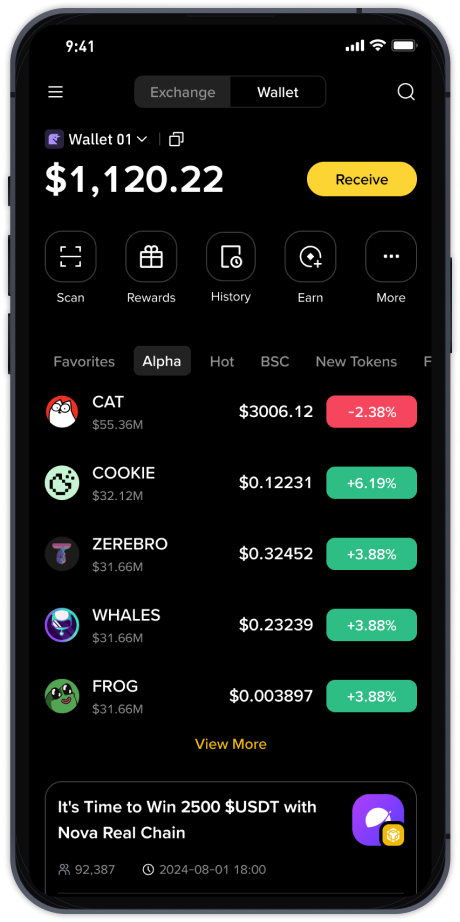
For users asking about the user experience, Binance generally scores high for its mobile app, which is widely considered one of the most functional in the industry. The app supports biometric login, real-time price alerts, and a seamless interface for trading on the go. On the downside, some new users report a steep learning curve due to the sheer number of options and features available. The verification process, required for higher withdrawal limits, can also be time-consuming for users in certain regions. Furthermore, regulatory challenges have affected Binance’s availability in some countries, including the United States, where a separate entity called Binance.US operates with a reduced set of features and coins.
Another key aspect is the additional services offered beyond trading. Binance includes a built-in staking platform, a Launchpad for new token offerings, peer-to-peer (P2P) fiat trading, and even a DeFi wallet integration. The Binance Academy provides free educational resources, which is a valuable tool for newcomers. The exchange’s liquidity is consistently high, meaning orders are filled quickly and with minimal slippage, even during volatile market conditions. Overall, while Binance is not without its complexities and regional limitations, it remains a powerhouse in the crypto ecosystem. For most traders seeking depth of features, low fees, and a wide asset selection, Binance continues to be a strong, albeit demanding, choice.